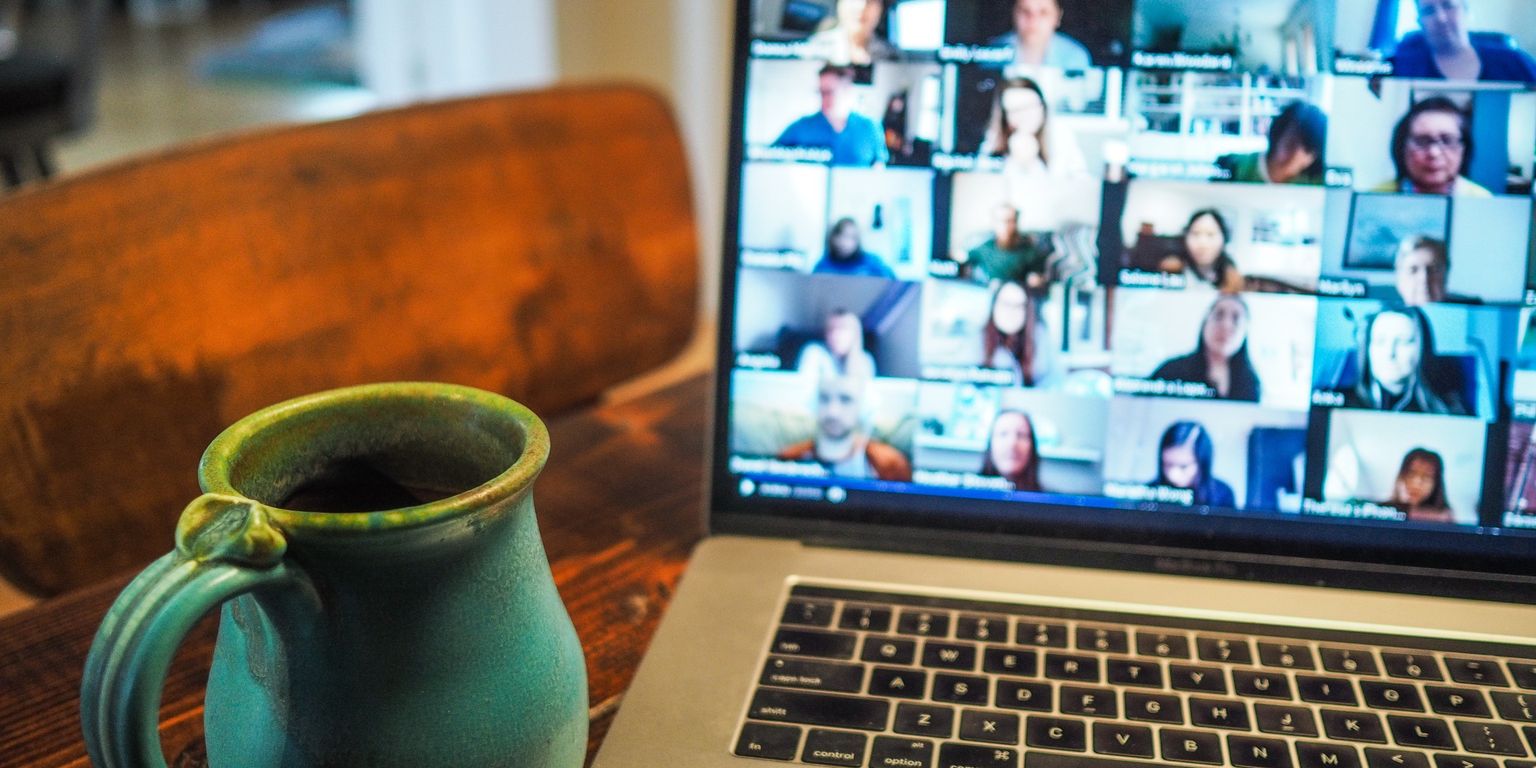
The human side of agile software development: Managing diverse remote teams: Pts. 3 & 4 - Tag1 TeamTalk #025-26
Tag1 TeamTalk #025-26:
September 16, 2020
PART 1 - GETTING TO KNOW JANIE LEDET
PART 2 - HAVING AN EXPERIENCED PM ON A PROJECT IS WORTH THE COST
PART 3: TIPS FOR MANAGING HIGH FUNCTIONING REMOTE TEAMS
PART 4: TOOLS, PRACTICES AND LESSONS LEARNED
As Project Manager and Scrum Master at Tag1 Consulting, and with over a decade of software development and program and project management experience, Janie Ledet lent the Tag1 Team Talks show her subject matter expertise to share some of the human elements of great, successful projects.
Part 3 - TIPS FOR MANAGING HIGH FUNCTIONING REMOTE TEAMS
As the coronavirus pandemic continues to render most workforces remote for the foreseeable future, crafting inclusive, high-functioning distributed teams isn't an easy matter. At Tag1, we've worked as a remote-first team since the beginning, thanks to deft project management like Janie's. These days more than ever, it's essential to have an experienced project manager on challenging projects, to manage remote teams with deep care, and to leverage best-of-class tools and best practices to shepherd the work of an agile development team.
Transcript
Preston So: [00:00:00] Hello, and welcome back to our mini series with our special guest Janie Ledet. We're talking about managing diverse remote teams. My name is Preston So. I'm the editor in chief at Tag1 and the host of today's episode of Tag1 TeamTalks. And I'm joined today by two dear colleagues of mine, Janie Ledet, based in Fort Collins, Colorado. She's project manager and scrum lead at Tag1, volunteers for nonprofits that help girls learn how to code, and also has a large amount of expertise working not only as a software developer, but also as project and program manager at Hewlett Packard for over a decade, working on customized Linux distributions and also 3-D graphics cards as well.
Today, we'll be talking also with Michael Meyers, managing director at Tag1 in the Berkshires, Massachusetts. And let's go ahead and kick things right off. One of the things that I think we really wanted to focus on in today's installment of this mini series was, exactly how Is it to manage high functioning, remote teams and, and what are some of the, the tips and tricks and the tools of the trade and best practices, that, that you've been able to learn about and acquire over the course of, of your decades, of expertise, Janie and, and, and what are some examples of, of great tools or, or, or great stories or anecdotes that you have from, from your experience managing these, these remote teams?
Janie Ledet: [00:01:18] Yeah, happy to share Preston. Over the years, I've put together something called the CARE philosophy, and I'm going to share kind of each of these four things that I think are key themes, or how to, manage teams and particularly, for distributed teams. So here at Tag1, we have folks that we work with all over the globe.
And so it's been really important to find ways to really connect the teams and find tools and processes that make that possible. So the C in CARE is for collaborate. So that means leveraging open source communities, especially Drupal.org. So we find, we search out there for what's already been developed, reuse, and then we collaborate with the entire community, to contribute back, when we implement something new.
The other thing, the other area that we can draw from is clubs. So finding people both in business and in personal life, people who support you and those that you can support. And then another, concept around this, around collaboration is just always having complete transparency and building trust with the team.
And the way we do this and practical examples of how we make this kind of collaboration happen is to have quick frequent, candid connections with each other. So ask directly for what we need, use Slack or Google drive or Kanban boards, to have quick discussions, quick exchanges, frequently throughout the day.
Once a week, I meet with all of my team members to have a quick, just check in touch base. How are things going? What can I do to support you? Another thing around collaboration is making Tag1 is a world class company. So we're able to attract top talent. So we always have on tap people who have just, who are just amazing at their jobs and a pleasure to work with.
And that makes us attractive to customers because they know that we can bring in that level of folks to work with. The other thing is that connections on Zoom can only go so far. Face-to-face is best. So once in a while, we always try to either at DrupalCon meet up with each other, or retreats, or maybe having a virtual coffee together, try to connect that way.
Sometimes it's not possible to do face to face. So we also have informal discussions on Slack, or at the beginning of meetings where we just have some water cooler conversation and make sure that we connect with each other. Okay. So Care, back to the CARE Philosophy, A stands for Agile. So this is just around having a growth mindset and I'll go a little bit more into agile processes, in the next segment.
But the key things to think about here are having a growth mindset. I'm trying to make sure that we are always getting feedback to rapid prototyping, implement something. and then immediately provide value. So for instance, there's a tree swing, agile picture that shows, okay, maybe if a client, if a customer wanted a tree swing, you might first start by just hanging rope in the tree.
Next might be. Okay, hang a tire on the tree. Next might be, let's customize the seat a little bit, make it more comfortable. And so we do that on the websites by, instead of waiting to launch the website at the end of the product, we launch little pieces and get immediate feedback from end users on Okay. Here's what we think you wanted us to implement, try it out and tell us if we should change something or, or make it a little bit better. In, in specific ways. Another thing that's really important about being agile is that we can analyze data, very objectively. So we start thinking about, who's going to use this, how are they going to use it?
And, and then taking that information and coming up with categories of users and, helping, that helps to define the problem that we're really solving and getting to the root of what we're trying to, the problem that we're trying to solve and who we're solving it for. And then adapting. If we find out new information, then we change, we're willing to throw out something that we've developed and think, Oh, there's a business need that this client has, that really makes us want to change it.
So that for instance, their website is more sustainable and maintainable for them to use. Agility also applies to our personal lives. So, if we, for instance, if I'm feeling really stressed out and thinking I'm not taking enough time right now to allow enjoyment in my life, instead of having a harsh judgment about that.
I try to just let it go and think about what is it that I want to manifest instead and say that in present tense, something like I'm relaxing. I can, I can imagine myself relaxing and reading my book in the hammock. And so I can apply agility to my personal life as well. The R in CARE is for Rotate.
So, traditionally I worked in a cubicle farm nine to five hours, and I, my life was very separate from my work. That's not the case anymore. I time box. So throughout the day I break my life into chunks, and I'm really flexible about how that needs to move and change. But, this way of working, I've observed in my coworkers, means that they're so much happier.
We have meaningful work. We have autonomy to do it when we want to, we have control over the environment where we work. And on that idea of environment, I would encourage people who are just starting to work from home, invest in your home office equipment, take time to really get your ergonomics right.
Spend money on a nice gaming headset that's comfortable. Think about music that you could have in the background. Just set the tone for your work. maybe have a white noise maker, to drown out background noise. Another idea is to have some structure, so it doesn't have to be, you know, nine to five, but separate your work life from your home life by, maybe a change in your apparel. So I have my friend Elisia likes to wear her set of pearls when she is working that way, her husband and her children know Mommy is working right now. So she needs to focus. And then when she takes that off, even though she's sitting on the same couch in the same place, now she's ready to more engage in her home life.
I have a hair tie that I put on the knob of my home office so that my children know that they shouldn't come running in, in their pajamas when I'm on a teleconference call, maybe having a. A pair of shoes that you wear when you're at the office or slippers that you wear when you're, you know, when you go off to start a load of laundry, just so that there's some, some separation.
I think it's important to, to, schedule, to keep a calendar of my work life and my home life. That's separate, but combined so that I can really, prioritize what I'm working on every day. So I have a Trello board where I have, tasks for my work and my family and my personal goals. At the beginning of each day, something that I do is I set three critical tasks that I want to accomplish that day work-wise and then also three people that I need to connect with and I prioritize my day based on importance, urgency, and the impact that each thing has. And that's how I make my decisions about what to work on first.
The last section of the CARE philosophy is around E for Experiences. So this is all about thinking about how other people perceive the world. We all see the world through a unique lens. So instead of expecting everybody to. Fit the mold of being an ideal software engineer. I try to create complimentary groups of people. so, diversity to me is about representation at every level, especially decision makers.
And when we have diverse teams, it really, really helps with innovation and getting a well rounded design. so. We know the typical areas where we can have diversity, like gender and race. But there's also things like age. Sometimes having a college student, a new college student, come in and help gives us a different perspective.
That's really helpful, different personality types or ways of thinking and learning that people have can really help influence designs. and then also being cognizant of, physical people's different physical abilities, geographical locations, being inclusive of LGBTQ folks and, people's different communication preferences.
People's mental health needs, which is especially. important in these unprecedented times of COVID and other social justice issues that we're seeing, making sure to, take that into consideration. Some practical ways of, considering different experiences and diversity.
What does that look like? So using inclusive language, making sure that, there's a safe space for people to share their stories and, curb intolerances right away, if they happen, if someone makes an inappropriate joke, and just make sure that everybody knows that, I take a sincere interest in them and encourage them to bring their full selves without fear of being excluded or judging harshly for being their full selves.
So another practical way to apply this is by recognizing strengths and, and balancing roles and responsibilities to address each person's needs and preferences. So I might have someone who's really shy and not comfortable, so I will have someone else, share what that sub-team, accomplished, during a development cycle, instead of asking that really shy person to be super nervous and maybe uncomfortable. Instead, use some, another member of the team who's a little more charismatic and comfortable in that presenter mode, have them do the presentation. so, and we all have our strengths and talents and, it's important to make sure that we consider complementary pairings of people.
Another way that we can practice this is by holding two perspectives at once. So sometimes we, okay. Look at solving a problem as if we were the end user and we are not our users. It's important to stop and think about somebody else's perspective. This has really, really been apparent to me, when I became a parent, watching my children experience things for the first time, and thinking, Oh, I, you know, I maybe don't appreciate that.
Or haven't really thought about that in the same way. But watching my kids experience and discover something new, really challenges me sometimes, to rethink, beliefs or convictions that I may have had, and maybe shift a little bit.
Preston So: [00:15:45] Well, I think that, you know, that might be one of the most important, or, or at least the most challenging, project management responsibilities is, being a parent. Certainly. well, you know, I think that this, this is an amazing summary and, and a really great, I think concise answers, succinct illustration of the CARE philosophy or, or the care kind of ideas that really straddle that all of the different areas of software development that we have to think about around collaboration around agile, around a work life balance rotation, as well as lived experiences, which I love, you know, as being that, that in a way that's silent E at the end of care, so, wonderful, thanks so much Janie.
And unfortunately that is all the time we have for this third episode of this exciting mini series with Janie Ledet, all the resources that we mentioned today, we might have some resources available about the CARE philosophy. They're going to be posted online with this talk. And please remember to upvote, subscribe, and share.
Check out our past history of episodes at tag1.com/tagteamtalks. And as always, if you have any ideas about what we can talk about or what you'd like to hear about on our, on our show, please write to us at [00:17:00] [email protected] . And I want to thank my dear colleagues, Michael and Janie, for being here today and see you next time.
Part 4 - TOOLS, PRACTICES AND LESSONS LEARNED
In a special miniseries in four parts, Michael Meyers (Managing Director, Tag1 Consulting) and your host Preston So (Editor in Chief, Tag1 Consulting) had an opportunity to join Janie for an exciting four episodes about the human side of managing projects in agile software. We'll dive into the most important considerations when resourcing and conducting discovery for a new build, Janie's CARE philosophy for high-functioning remote teams, and best practices, convenient tools, and lessons learned over many years when it comes to elite software projects.
Transcript
Preston So: [00:00:00] Hello. And welcome back to the fourth and final episode of our mini series with our special guest Janie Ledet. This is our Tag1 TeamTalk episode on Managing Diverse Remote Teams. The final installment of our four part series on diverse remote teams. I'm Preston So and I'm the editor in chief at Tag1. I'll be the host of today's episode and I'm joined today by our special guest Janie Ledet. Based out of Fort Collins, Colorado, my home state, project manager and scrum lead at Tag1, volunteers for nonprofit organizations that teach girls to code, and also has a very long and fascinating background as a software developer, project manager and program manager on all sides of the equation at HP for over a decade, working on customized Linux distros and 3D graphics card integrations for high end workstations.
We're also joined today by our dear colleague, Michael Meyers, managing director at Tag1 currently based in the Berkshires in Massachusetts. And without further ado, let's go ahead and get started. So, Janie, I mean, talked over these last three episodes about really diverse topics.
You know, first we got to know you. Then we got to know about a little bit about why experienced project managers are so important to software development teams. And then we talked about the CARE philosophy and how that figures into managing high functioning, remote teams. I want to talk a little bit more today about kind of the practical applications.
We've talked a lot about the theory about the methodologies, but let's talk a little bit today about tools and lessons learned and best practices. So from, from your background and from your, long and storied expertise, as a, as a project manager, what are some really great best practices that you would recommend for folks who are interested in getting more involved in things like scrum or things like the CARE philosophy or, or a lot of the other things that you mentioned around, really focusing on diverse remote teams?
Janie Ledet: [00:01:53] Well, Preston, let me start with giving a little context for how we at Tag1 do, how we work as a consultant company to give people a little bit of a context for how I'm applying these different terms. So we, we develop websites and web applications, largely using. Drupal, but also using various other technologies.
And so the way that we work is we have global teams, people from all over the world, working together, we don't have a physical office. What we do is we work with various companies all the way from small, very small groups, to huge enterprises and small nonprofits. So there's lots of different folks that we work with.
It's always different and exciting. but our typical process is we have a contract that we set out with a client. We do some discovery to really understand what it is that they need. And then we form a development team with the skills needed to implement it. And then we launch by a deadline and we keep track of billable hours as we go so that we then charge that back to the client.
Some projects are different, but this is typically, often the way we work. so then the next layer of that, I often have my teams use agile and scrum practices. so we focus very much on having a growth mindset and quickly providing a functioning software that provides value to end users.
And then also having self organizing teams who are empowered to figure out how they're going to solve the problems on their own. And then I just kind of stand back and support. Something that we do a little bit differently, since we're not in person teams is, we've developed a practice call that we call scrum light and scrum light is that same traditional, agile and scrum mindset, but done in ways that are a little bit more asynchronous. So, so we, for instance, do Slack standup meetings, instead of having a phone call where everybody's there, sometimes that doesn't work because I've got maybe a team member in Europe and another one in Taiwan and another one on the East Coast and another one on the West Coast.
So we can't necessarily every day have a stand up call at the same time. So what we do is we just post in our Slack instant message board. Here's what I worked on today. Here's what I'm working on today. Here's what I did yesterday. Reach out for some, collaboration, you know, I need team input on A,B and C.
I'm going to be out of the office on Friday, so please contact me, those sorts of things. and then another thing that we do is we, when we do have teleconference calls, we document everything. We use Yjs or Google drive docs to have everyone participate in typing in content, real time, as we're collaborating, we limit meetings to small groups so that we don't spend a lot of billable hours having meetings.
We have short meetings, you know, if the purpose of the meeting is to make a decision or have a group discussion, we have it quickly. Everyone comes prepared to contribute. And, we have really fast meetings. This works well for folks who know the process. Well, I wouldn't necessarily recommend it for teams who haven't worked together before, because we shortcut a lot.
But it is a really efficient way to get work done. Another practice that we found to be really helpful is to use icebreaker and humor to get to know each other quickly, because we only have a few minutes at the top of meetings or asynchronously through our instant messenger to really get to know each other.
So having people, maybe post a picture of their pets or answer questions like, what is the most, what is your favorite thing that you've purchased this year helps people to get to know each other and really make that personal connection. Another of my favorite practices is including kudos, during our scrum sessions.
So having team members recognize each other when they notice that someone else has done something really amazing or gone above and beyond. Another practice that we use is, two weeks sprints and having demos every two weeks. but we tend to like to start on Thursdays, start and end on Thursdays instead of Fridays, just because Fridays tend to be days that people take off. And, it's helpful to have some time before next Monday to really get into the flow of what steps are we going to do next? What do we need to do as far as planning our goals for the following week? Along those same lines. We have kind of an unspoken rule for a lot of the projects that are run, where we have no meeting Fridays, so that developers have a chance to really have some focus time instead of having their day, context switching between meetings and development time.
And then I've mentioned previously, we always have the mindset of sharing back with open, open source communities, leveraging what's out there and then sharing back so that others that have the same problem can build upon it and help maintain that code.
Preston So: [00:08:31] Well, I can certainly, you know, see, see myself thinking back to a lot of the project teams I've worked with and, and thinking, wow, it would have been really nice to have something like kudos or no meeting Fridays.
So, you know, great inspirational, you know, suggestions and ideas that a lot of teams I think would benefit from, around the world who are. Especially for the first time, as we mentioned before, dealing with remote work in a way that they might not have a lot of experience. So to that end, yeah, actually about remote work and about, distributed teams in particular, you know, in the midst of this COVID-19 pandemic and in the midst, you know, the fact that all of us are in our separate homes, You know, it's not just about building up those best practices and about those procedures and processes, but also about the tools and the, and the various technologies that we use to collaborate.
I'm kind of curious, you know, from your perspective, Janie, what are some of the most important tools that any high functioning, remote team should have?
Janie Ledet: [00:09:28] So there are lots. Yeah, so I've talked to a bit about soft skills, but the scientists and developers want you to figure out, okay, what are the tools we use?
How does that, how do I actually make that happen? So, one of the things I like to do at the beginning of every project is create a team charter and have agreement on what is the definition of done. The team charter really helps the team come to a consensus about how they collaborate and in that document is where we decide which tools we're going to use.
[00:10:07] Some of the ones that I would recommend, especially if your primary communication method is asynchronous are Slack. As I've mentioned before, for every day, conversations, everyday collaboration, And that helps to kind of follow the sun. Right. I might suggest something in Slack and, I wake up the next morning and not only has someone else listed ideas, but another team member further down the timeline has already put the process into place.
[00:10:41] So I wake up and, Oh, the seed that I planted before I went to bed is already happening when I wake up in the morning, And then another thing is if it's possible to send an email and instead of having a meeting, send email or use the document, I try to minimize the number of meetings that we have, but there are some times when a meeting is essential, it's maybe quicker to hash out.
Or have a brainstorming session and decide how we're going to tackle some things as a team. If you have a quick phone call, So just, really, using discretion for when you do that. and then some of the, instead of doing phone calls, we often use Zoom, but I always have a backup plan so that if.
[00:11:29] For some reason, the primary tool fails, then maybe we'll use a different tool. Maybe we'll use WebEx or maybe we'll use Hangouts. always have a backup plan for if the meeting gets cut off, where do we jump to as the alternative? Some other tools for communication are having a stakeholders list.
A contact information list where, where everyone says, here are my normal working hours, here are the best ways to contact me. Also having an issues and decisions list, so that it's really clear. We have a record of, what, what did we decide so that when there's conflict within the team or there's, we're trying to decide, how to move forward. We can reflect back on, wait, what did we decide around that topic? And there's a record of it and that's been really helpful. Also there are so many different, project management productivity tools. There are really complex ones like Atlassian tools or really simple free ones like, using a Trello Kanban board.
[00:12:46] I think it doesn't matter so much the tool that you use, as being consistent and making sure that everyone in your group has access to it. and I'll share in the links, several different tools. That can be used for that. one of my favorites that I've been using a lot recently is the GitHub project management tools.
They've got a really slick agile board that connects to your GitHub tickets. And my teams like that a lot. So some other tools I've been using, the status clock app. I put that on my Mac iOS taskbar and it shows me what time it is in UTC. And that just helps me kind of zone back to, okay, what time zone is it when I'm setting meetings? There's also www.timeanddate.com world clock converter, which helps me make sure that I choose times for meetings or collaboration sessions that work for everybody. No matter what time zone they're in. Another thing that I do is instead of using traditional retrospective meetings, sometimes I will just send out a poll.
Now here's the, here's the feedback I've heard, team take 60 seconds to vote for the thing that you want to improve during the next process. And that's a really super efficient way to make sure that we have continuous improvement, but not spend a lot of meeting time on retrospectives. Another thing that we do, another practice that we have, we use weekly zoom meetings, sometimes, or sometimes we do, Recordings.
[00:14:37] So not everybody can necessarily make it to every meeting. So what we do is we record the call so that people can listen to it afterwards, if they just need to be informed of what the team was talking about versus, being part of the. The decisions or discussion that happened at that meeting. so we share the recording and then we also make sure that we share back to the Slack channel.
Here were the key takeaways. So instead of sitting through an entire hour long meeting, someone could just look at the quick takeaways and know what was discussed or what was decided that is pertinent to them. Yeah.
Preston So: [00:15:16] No, I was going to say, you know, I think those are all really, really good, wonderful tools. And, you know, we've obviously discussed a lot of the collaboration tools. You mentioned GitHub projects, which I think is a great project management tool as well. There's also plenty of prioritization tools out there in the interest of time though, because we are running out of, out of our time today.
I wanted to jump just a little bit ahead to a little bit more of a reflective topic, which is, you know, beyond the practices and the processes and the tools and technologies. there's definitely a running thread throughout all of this, this, this kind of mini series that we've been doing, which is the human aspect of software development projects.
[00:15:54] And so I'm curious, you know, as we revisit it, This duality between the humanity and the mechanical nature of software engineering. I'm curious, what lessons learned. You have Janie as a human working in this very machine oriented world. What are some of the lessons that you would share with our audience today?
Janie Ledet: [00:16:14] Sure. Happy to share so that people can learn from my experiences. One of them is to include QA, right from the beginning. Always have a QA folks and start thinking about testing right from the beginning of the project. Another thing that comes up is over-communicate a lot of times when projects go sideways.
[00:16:36] It's because of a misunderstanding. So I always try to share information, set expectations with everybody, and just really make sure that everybody's updated, and included in decision making processes. It's also really important to set boundaries for when and how we communicate with each other.
So around work life balance, just making sure that, It's one thing for me to say to my developers, you're not required to work late. You're not required to respond to messages immediately, please, you know, stick to your normal working hours of we respect your schedule. But if I, as a manager, am responding to every message, like at 11:00 PM or super early in the morning, That model is a different behavior than what I'm saying.
[00:17:30] So I think it's important for leaders to model what they want, others to behaviors that they want others to reflect. Another thing is to end meetings five to 10 minutes before the hour to allow for breaks and transition times. Sometimes we over-schedule ourselves and that has been something that is really helpful.
Another thing is to be aware of your partner, your partner's security policies. So we work with clients who are very, very, security conscious, just making sure that we're using secure tools, using things like two factor authentication, and just really, Adhering to those policies, to make sure that we protect information.
Another key takeaway, a key learning for me has been to really focus on the team's flow. This is the number one thing to me that helps improve a team's ability to be a high functioning team. make sure that they have clear goals. Everyone knows their role on the team. we've got tickets in the backlog that have really clear success criteria so that a team member can know.
[00:18:59] Always what's the highest priority thing that I can pull from the list and start working on right away and then have time to focus on that and not be overloaded, make sure that they understand, that you balance well, how many things you're working on at the same time. and, then the other thing, kind of on that same theme is.
[00:19:25] Clearing blockers working as a team together when there are things that you're slowing us down, often not just me is the scrum leader, but also my team leads or other developers will have ideas for how to, to make things flow more smoothly and just always, listen, listen, listen, listen, and take input from the team on how can we collectively improve as a group.
Preston So: [00:19:56] So, and, you know, as, as somebody who, who really, you know, you know, I try to optimize very often for a flow. So, you know, the notion of flow and a notion of clearing blockers and the notion of, of, of, of really managing those smaller sources of friction really resonates with me. And I think it does with our audience as well.
Well, Janie, thanks so much. You know, we do, have, only a little bit of time left. And in that time, I do want to say once again, that we're going to have all of these resources that Janie mentioned, she's got a big list of books, the big list of resources for our audience. there'll be posted online with this episode.
And if you like this episode, please remember to upvote, subscribe, share it with your friends and family. Check out our history of past talks at tag1.com/tagteamtalks . We'd love your feedback and any suggestions for guests or for topics. Write to us at [email protected].
Thank you to all of our viewers, our listeners today for joining us. And also thank you to Janie Ledet and Michael Meyers for joining us on this four part series about managing diverse teams. Thank you so much.
Links
Books
- A practical Guide to Distributed Scrum by Elizabeth Woodward, Steffan Surdek, and Matthew Ganis
- The Art of Agile Development
- Distributed Teams by John O’Duinn
- Remote: No Office Required
- Deep Work by Cal Newport
- Related article
Course Agile Meets Design Thinking Coursera University of VA online courses. Can audit for free. Agile Development Specialization
Very useful templates
Podcasts
Other tools
- Clifton Strenghts Finder personality
- Edutopia.org - Articles, videos, book lists, and other resources for helping students in these unprecedented times.
- Time zone converter with option to include UTC.
Groups working on civil rights issues with technology solutions
Other apps Janie finds useful
Wunderlist, WorldTime Buddy, 1Password, Notion, Basecamp, Timetastic, Calendly, Paper (dropbox), Internal company wiki page- Share templates and best practices company wide, https://www.jobscan.co/ - optimize resume, SnapChat Snap Camera filters for Zoom, Github’s integrated ticket/bug & Agile board PM tools
Transcript
[00:00:00] Hello, and welcome back to our mini series with our special guest Janie Ledet. We're talking about managing diverse remote teams. My name is Preston So. I'm the editor in chief at Tag1 and the host of today's episode of Tag1 TeamTalks. And I'm joined today by two dear colleagues of mine, Janie Ledet, based in Fort Collins, Colorado. She's project manager and scrum lead at Tag1, volunteers for nonprofits that help girls learn how to code, and also has a large amount of expertise working not only as a software developer, but also as project and program manager at Hewlett Packard for over a decade, working on customized Linux distributions and also 3-D graphics cards as well.
Today, we'll be talking also with Michael Meyers, managing director at Tag1 in the Berkshires, Massachusetts. And let's go ahead and kick things right off. One of the things that I think we really wanted to focus on in today's installment of this mini series was, exactly how Is it to manage high functioning, remote teams and, and what are some of the, the tips and tricks and the tools of the trade and best practices, that, that you've been able to learn about and acquire over the course of, of your decades, of expertise, Janie and, and, and what are some examples of, of great tools or, or, or great stories or anecdotes that you have from, from your experience managing these, these remote teams?
Janie Ledet: [00:01:18] Yeah, happy to share Preston. Over the years, I've put together something called the CARE philosophy, and I'm going to share kind of each of these four things that I think are key themes, or how to, manage teams and particularly, for distributed teams. So here at Tag1, we have folks that we work with all over the globe.
And so it's been really important to find ways to really connect the teams and find tools and processes that make that possible. So the C in CARE is for collaborate. So that means leveraging open source communities, especially Drupal.org. So we find, we search out there for what's already been developed, reuse, and then we collaborate with the entire community, to contribute back, when we implement something new.
The other thing, the other area that we can draw from is clubs. So finding people both in business and in personal life, people who support you and those that you can support. And then another, concept around this, around collaboration is just always having complete transparency and building trust with the team.
And the way we do this and practical examples of how we make this kind of collaboration happen is to have quick frequent, candid connections with each other. So ask directly for what we need, use Slack or Google drive or Kanban boards, to have quick discussions, quick exchanges, frequently throughout the day.
Once a week, I meet with all of my team members to have a quick, just check in touch base. How are things going? What can I do to support you? Another thing around collaboration is making Tag1 is a world class company. So we're able to attract top talent. So we always have on tap people who have just, who are just amazing at their jobs and a pleasure to work with.
And that makes us attractive to customers because they know that we can bring in that level of folks to work with. The other thing is that connections on Zoom can only go so far. Face-to-face is best. So once in a while, we always try to either at DrupalCon meet up with each other, or retreats, or maybe having a virtual coffee together, try to connect that way.
Sometimes it's not possible to do face to face. So we also have informal discussions on Slack, or at the beginning of meetings where we just have some water cooler conversation and make sure that we connect with each other. Okay. So Care, back to the CARE Philosophy, A stands for Agile. So this is just around having a growth mindset and I'll go a little bit more into agile processes, in the next segment.
But the key things to think about here are having a growth mindset. I'm trying to make sure that we are always getting feedback to rapid prototyping, implement something. and then immediately provide value. So for instance, there's a tree swing, agile picture that shows, okay, maybe if a client, if a customer wanted a tree swing, you might first start by just hanging rope in the tree.
Next might be. Okay, hang a tire on the tree. Next might be, let's customize the seat a little bit, make it more comfortable. And so we do that on the websites by, instead of waiting to launch the website at the end of the product, we launch little pieces and get immediate feedback from end users on Okay. Here's what we think you wanted us to implement, try it out and tell us if we should change something or, or make it a little bit better. In, in specific ways. Another thing that's really important about being agile is that we can analyze data, very objectively. So we start thinking about, who's going to use this, how are they going to use it?
And, and then taking that information and coming up with categories of users and, helping, that helps to define the problem that we're really solving and getting to the root of what we're trying to, the problem that we're trying to solve and who we're solving it for. And then adapting. If we find out new information, then we change, we're willing to throw out something that we've developed and think, Oh, there's a business need that this client has, that really makes us want to change it.
So that for instance, their website is more sustainable and maintainable for them to use. Agility also applies to our personal lives. So, if we, for instance, if I'm feeling really stressed out and thinking I'm not taking enough time right now to allow enjoyment in my life, instead of having a harsh judgment about that.
I try to just let it go and think about what is it that I want to manifest instead and say that in present tense, something like I'm relaxing. I can, I can imagine myself relaxing and reading my book in the hammock. And so I can apply agility to my personal life as well. The R in CARE is for Rotate.
So, traditionally I worked in a cubicle farm nine to five hours, and I, my life was very separate from my work. That's not the case anymore. I time box. So throughout the day I break my life into chunks, and I'm really flexible about how that needs to move and change. But, this way of working, I've observed in my coworkers, means that they're so much happier.
We have meaningful work. We have autonomy to do it when we want to, we have control over the environment where we work. And on that idea of environment, I would encourage people who are just starting to work from home, invest in your home office equipment, take time to really get your ergonomics right.
Spend money on a nice gaming headset that's comfortable. Think about music that you could have in the background. Just set the tone for your work. maybe have a white noise maker, to drown out background noise. Another idea is to have some structure, so it doesn't have to be, you know, nine to five, but separate your work life from your home life by, maybe a change in your apparel. So I have my friend Elisia likes to wear her set of pearls when she is working that way, her husband and her children know Mommy is working right now. So she needs to focus. And then when she takes that off, even though she's sitting on the same couch in the same place, now she's ready to more engage in her home life.
I have a hair tie that I put on the knob of my home office so that my children know that they shouldn't come running in, in their pajamas when I'm on a teleconference call, maybe having a. A pair of shoes that you wear when you're at the office or slippers that you wear when you're, you know, when you go off to start a load of laundry, just so that there's some, some separation.
I think it's important to, to, schedule, to keep a calendar of my work life and my home life. That's separate, but combined so that I can really, prioritize what I'm working on every day. So I have a Trello board where I have, tasks for my work and my family and my personal goals. At the beginning of each day, something that I do is I set three critical tasks that I want to accomplish that day work-wise and then also three people that I need to connect with and I prioritize my day based on importance, urgency, and the impact that each thing has. And that's how I make my decisions about what to work on first.
The last section of the CARE philosophy is around E for Experiences. So this is all about thinking about how other people perceive the world. We all see the world through a unique lens. So instead of expecting everybody to. Fit the mold of being an ideal software engineer. I try to create complimentary groups of people. so, diversity to me is about representation at every level, especially decision makers.
And when we have diverse teams, it really, really helps with innovation and getting a well rounded design. so. We know the typical areas where we can have diversity, like gender and race. But there's also things like age. Sometimes having a college student, a new college student, come in and help gives us a different perspective.
That's really helpful, different personality types or ways of thinking and learning that people have can really help influence designs. and then also being cognizant of, physical people's different physical abilities, geographical locations, being inclusive of LGBTQ folks and, people's different communication preferences.
People's mental health needs, which is especially. important in these unprecedented times of COVID and other social justice issues that we're seeing, making sure to, take that into consideration. Some practical ways of, considering different experiences and diversity.
What does that look like? So using inclusive language, making sure that, there's a safe space for people to share their stories and, curb intolerances right away, if they happen, if someone makes an inappropriate joke, and just make sure that everybody knows that, I take a sincere interest in them and encourage them to bring their full selves without fear of being excluded or judging harshly for being their full selves.
So another practical way to apply this is by recognizing strengths and, and balancing roles and responsibilities to address each person's needs and preferences. So I might have someone who's really shy and not comfortable, so I will have someone else, share what that sub-team, accomplished, during a development cycle, instead of asking that really shy person to be super nervous and maybe uncomfortable. Instead, use some, another member of the team who's a little more charismatic and comfortable in that presenter mode, have them do the presentation. so, and we all have our strengths and talents and, it's important to make sure that we consider complementary pairings of people.
Another way that we can practice this is by holding two perspectives at once. So sometimes we, okay. Look at solving a problem as if we were the end user and we are not our users. It's important to stop and think about somebody else's perspective. This has really, really been apparent to me, when I became a parent, watching my children experience things for the first time, and thinking, Oh, I, you know, I maybe don't appreciate that.
Or haven't really thought about that in the same way. But watching my kids experience and discover something new, really challenges me sometimes, to rethink, beliefs or convictions that I may have had, and maybe shift a little bit.
Preston So: [00:15:45] Well, I think that, you know, that might be one of the most important, or, or at least the most challenging, project management responsibilities is, being a parent. Certainly. well, you know, I think that this, this is an amazing summary and, and a really great, I think concise answers, succinct illustration of the CARE philosophy or, or the care kind of ideas that really straddle that all of the different areas of software development that we have to think about around collaboration around agile, around a work life balance rotation, as well as lived experiences, which I love, you know, as being that, that in a way that's silent E at the end of care, so, wonderful, thanks so much Janie.
And unfortunately that is all the time we have for this third episode of this exciting mini series with Janie Ledet, all the resources that we mentioned today, we might have some resources available about the CARE philosophy. They're going to be posted online with this talk. And please remember to upvote, subscribe, and share.
Check out our past history of episodes at tag1.com/tagteamtalks. And as always, if you have any ideas about what we can talk about or what you'd like to hear about on our, on our show, please write to us at [00:17:00] [email protected] . And I want to thank my dear colleagues, Michael and Janie, for being here today and see you next time.
Photo by Chris Montgomery on Unsplash